




Navigating Misinformation: How Nurses Can Use Media to Promote Accurate Health Information
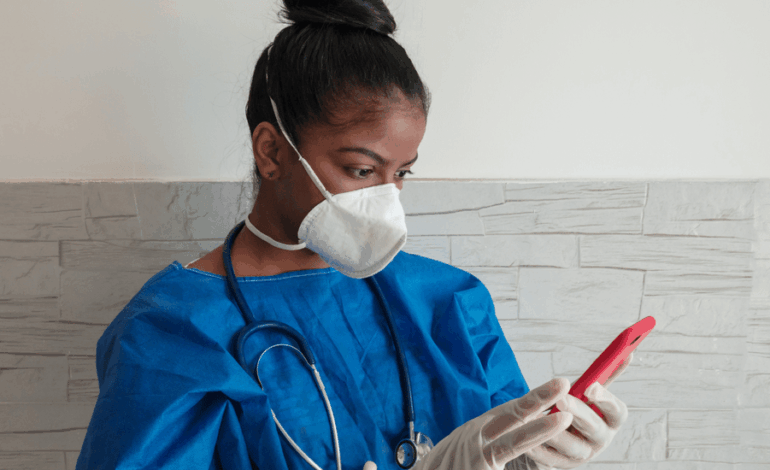

In today’s digital world, misinformation spreads faster than ever, especially concerning health topics. Social media platforms, blogs, and online forums are full of unverified claims about treatments, vaccines, and wellness trends. For nurses, who are trusted healthcare professionals, navigating misinformation is both a challenge and an opportunity. In 2025, nurses can play a critical role in promoting accurate health information and educating the public effectively.
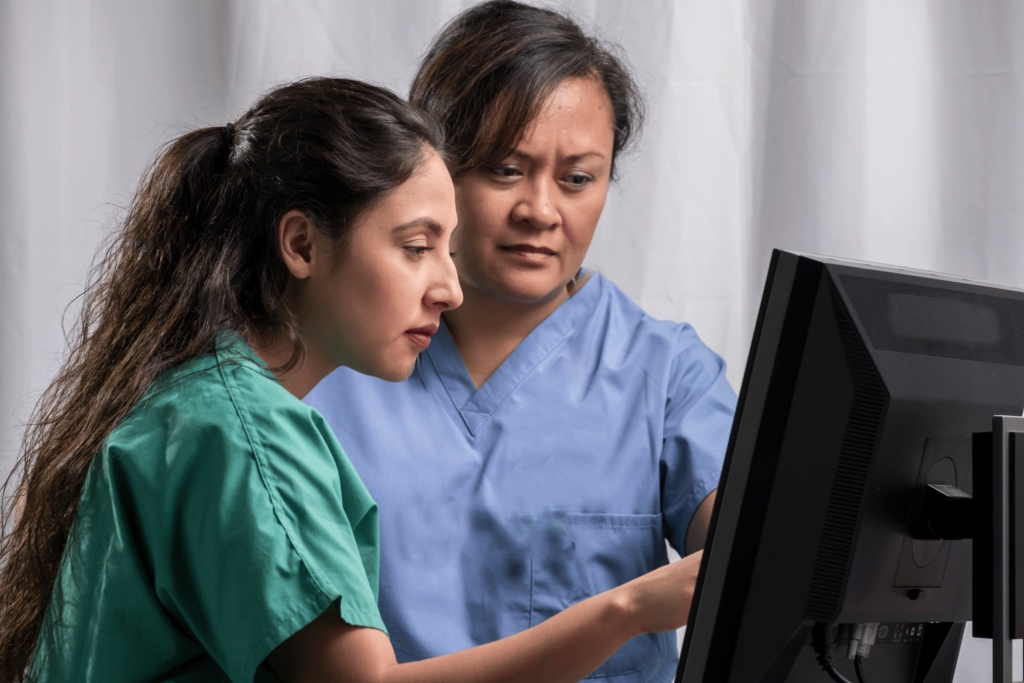
1. Understanding the Scope of Misinformation
Misinformation is not just about outright falsehoods; it also includes:
- Half-truths or misleading statements about health practices.
- Outdated information that is no longer supported by current research.
- Sensationalized stories that exaggerate risk or outcomes.
The spread of misinformation can lead to poor health choices, vaccine hesitancy, and distrust in healthcare systems. Nurses, as frontline communicators, are in a unique position to counter this trend.
2. Establish Yourself as a Trusted Source
Before sharing information, nurses should build credibility online:
- Professional profiles: Use LinkedIn, Instagram, or TikTok with clear credentials and a professional photo.
- Evidence-based posts: Share content backed by reliable sources, such as WHO, CDC, or peer-reviewed journals.
- Consistency: Regularly post accurate, educational, and helpful content to build trust with your audience.
3. Use Social Media to Educate
Social media is a powerful tool for outreach:
- Short videos and infographics: Simplify complex health topics for the general public.
- Live Q&A sessions: Engage with followers, answer questions, and clarify misconceptions.
- Storytelling: Share real-life nursing experiences that highlight safe practices and evidence-based care.
4. Collaborate with Reliable Sources
Partnering with reputable organizations and fellow professionals amplifies your message:
- Join campaigns or initiatives from hospitals, health ministries, or professional nursing associations.
- Tag authoritative sources in posts to encourage followers to verify information.
- Collaborate with other healthcare professionals for webinars, podcasts, or joint social media content.
5. Teach Media Literacy to Your Audience
Educating people on how to identify reliable sources is just as important as sharing correct information:
- Show followers how to fact-check health claims before sharing.
- Provide resources for credible information (e.g., WHO, CDC, NHS).
- Encourage critical thinking by highlighting red flags in misinformation, such as sensational language or lack of citations.
6. Maintain Professionalism and Ethical Standards
When addressing misinformation, always maintain professionalism:
- Avoid personal attacks or shaming those who share false information.
- Stay within your scope of practice — refer complex or controversial topics to medical specialists when needed.
- Follow institutional social media guidelines and local regulations regarding patient information.
7. The Impact of Nurses in Combating Misinformation
By actively promoting accurate health information, nurses can:
- Increase public trust in healthcare professionals.
- Encourage informed health decisions and preventive care practices.
- Reduce the spread of myths that can negatively affect patient outcomes.
- Inspire other healthcare professionals to take part in public education efforts.
Conclusion
In 2025, the role of nurses extends beyond hospitals and clinics — it reaches into the digital world. By leveraging social media, professional networks, and educational tools, nurses can combat health misinformation and promote reliable, evidence-based information to the public.
Every post, video, or discussion can help build a healthier, better-informed community. Nurses have the knowledge, credibility, and compassion to guide people through the overwhelming flood of information online — and make a real difference in public health.