





Burnout Awareness: Fixing Systems, Not Blaming Nurses


Burnout Awareness: Fixing Systems, Not Blaming Nurses
Burnout Is Not a Personal Failure
🧠 Burnout isn’t a personal failure.
It’s a system problem — and systems can be fixed.
For too long, burnout in nursing has been framed as an individual weakness: not enough resilience, not enough self-care, not enough grit. But nurses didn’t suddenly become less capable or less committed.
The truth is simpler—and harder to ignore.
Burnout is a predictable outcome of broken systems.
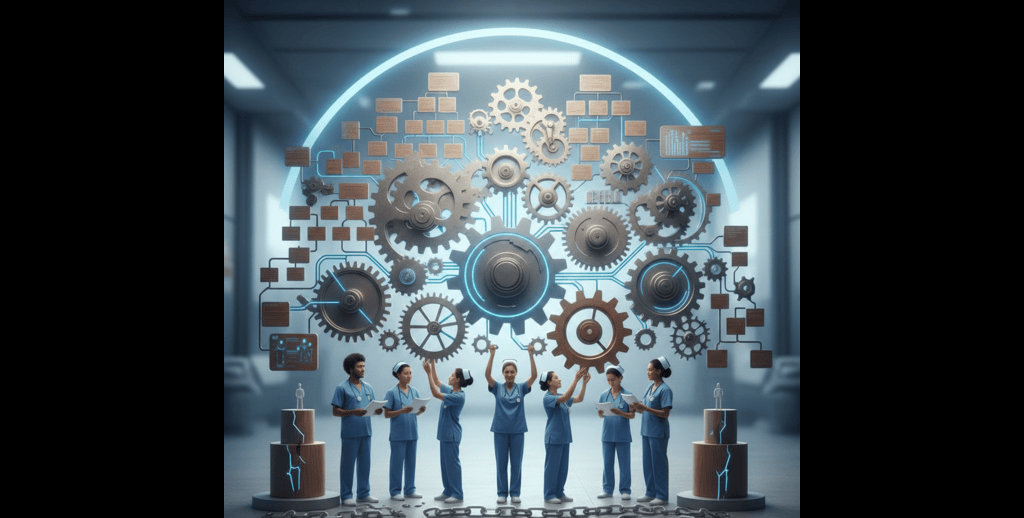
What Burnout Really Looks Like in Nursing
Burnout isn’t just feeling tired after a long shift. It often shows up as:
- Chronic physical and emotional exhaustion
- Feeling detached or numb at work
- Loss of purpose or motivation
- Increased anxiety, irritability, or sadness
- Difficulty recovering on days off
- Questioning whether staying in nursing is sustainable
These are not personal shortcomings.
They are warning signs of prolonged system strain.
The Systemic Causes Behind Burnout
Across healthcare, nurses face:
- Unsafe staffing ratios
- Constant understaffing and high patient acuity
- Mandatory overtime and unpredictable schedules
- Limited support from leadership
- Pressure to do more with fewer resources
- Lack of control over working conditions
- Normalization of exhaustion as “part of the job”
No amount of mindfulness can compensate for unsafe systems.
Why Naming the Problem Matters
When burnout is treated as an individual issue:
- Nurses blame themselves
- Organizations avoid accountability
- Structural problems remain unchanged
- Retention continues to decline
But when burnout is recognized as a system issue:
- Solutions become possible
- Responsibility shifts where it belongs
- Nurses are supported—not shamed
- Real reform can begin
Awareness is the first step toward change.
What Fixing the System Looks Like
Reducing burnout requires action, not slogans:
- Safe staffing and realistic workloads
- Nurse input in decision-making
- Supportive and transparent leadership
- Protection for nurses who speak up
- Flexible scheduling and work-life balance
- Investment in mental health and wellbeing
- Career pathways that don’t require burnout to advance
Healthy systems create healthy professionals.
A Collective Path Forward
Burnout thrives in silence.
Change begins with shared understanding and collective action.
When nurses speak openly about burnout:
- The stigma fades
- Patterns become visible
- Solutions gain momentum
- Advocacy becomes stronger
You are not alone—and you are not the problem.
Final Thought
Nurses don’t need to be fixed.
The systems they work in do.
Burnout is a signal—not of weakness, but of unsustainable conditions. And systems built by people can be rebuilt by people.
Protect nurses.
Support nurses.
Fix the systems that rely on them.
📩 Advertising & Sponsorship Inquiries
For advertising and sponsorship inquiries, please contact:
partnerships@americaneedsnurses.com